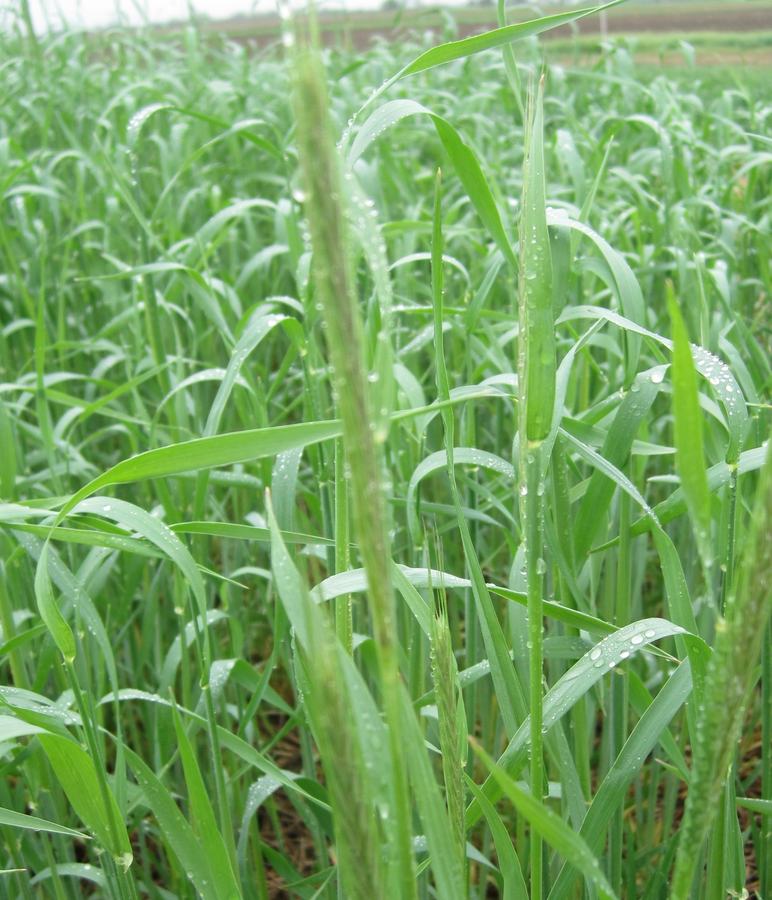
The amount of growth or biomass a cover crop achieves positively correlates with almost all the potential benefits. For instance, a no-till farmer wanting to suppress weeds in their following cash crop is often encouraged to maximize cover crop growth and the amount of dry biomass left on the surface.
One of the most common recommendations for increasing biomass is to delay terminating the cover crop as late as possible to allow for additional spring growth. While this recommendation sounds logical, most of the supporting research occurred in the Midwest.
Between the Fall of 2020 and the Spring of 2022, Hannah Howe (formerly Hannah Massengill), an NC State graduate student, researched whether delaying the termination of cereal rye by four weeks would result in additional growth and biomass. Cereal Rye remains one of the most popular cover crop species for farmers across the state. This work was accomplished with the help of her advisors, Dr. Rachel Vann and Dr. Dominic Reisig.
The Termination Timing Effect on Cereal Rye Biomass factsheet summarizes this study and its findings. It also provides discussion from experts on why these results were seen and what it could mean for North Carolina farmers who utilize cover crops.