Cover crops provide habitat and food to various above and below-ground organisms. When fields are left fallow, these organisms can lack adequate habitat and food sources to maintain their populations, burdening the field’s ecosystem.
These organisms can be easily transferred from the cover crop to the following cash crop. Cover crops may promote new populations in a field or allow a pest population from one year's cash crop to survive the winter and transfer to the following year's cash crop.Pest Insects
While cover crops have the potential to enhance beneficial predatory insects, farmers must understand that they can also provide habitat to undesirable pests. Whether cover crops promote beneficial or harmful insects will depend on various factors. Farmers need to monitor and scout their cover crops as they approach the next planting season to determine how they impact insect populations. Entomology Extension Specialist Dr. Dominic Reisig discusses the importance of scouting a cover crop.Other Organisms
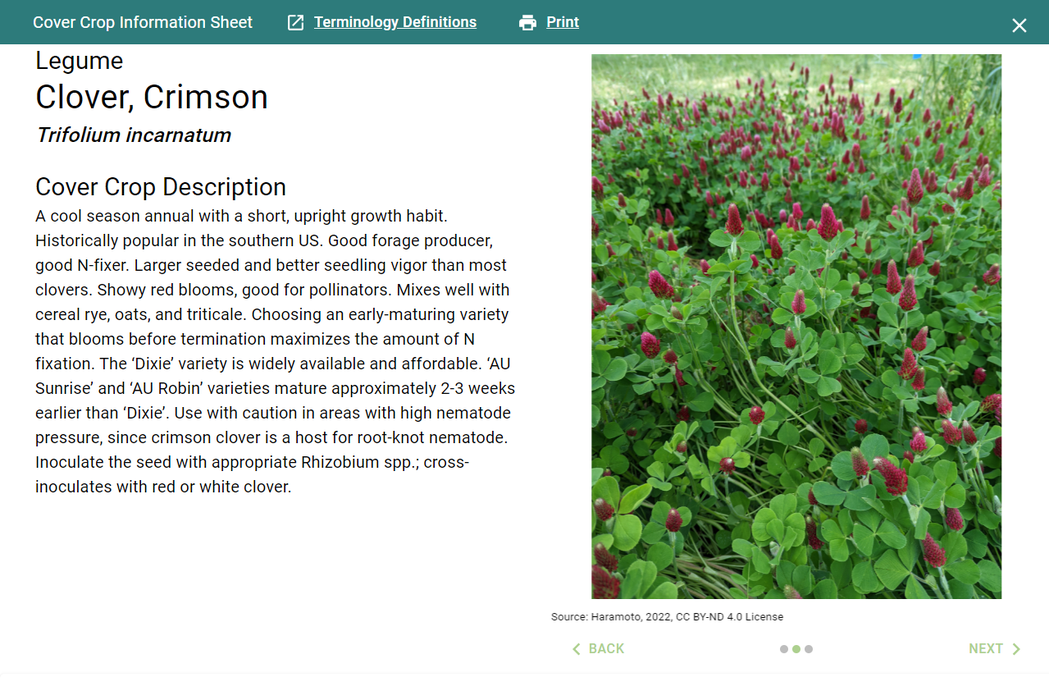
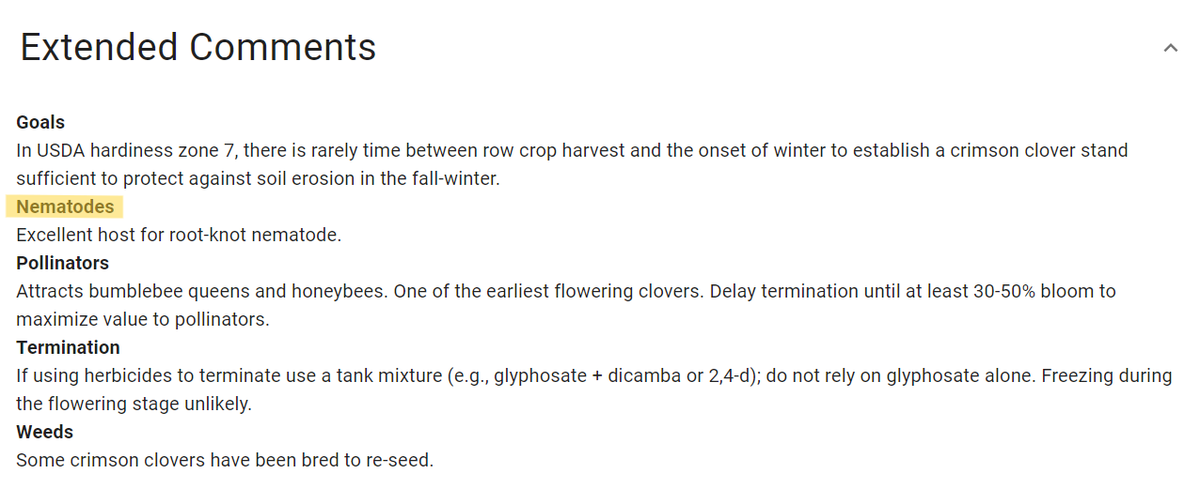
The ability of cover crops to enhance soil microbial biodiversity can generate several benefits. However, several microbes, like nematodes, can harm cash crops and create economic loss.In general, cover crops will not introduce a new pest microbe problem but can exacerbate one already existing in a field. Farmers dealing with issues like nematodes should research a cover crop's ability to host that specific nematode before planting.
The Cover Crop Selector Tool from Precision Sustainable Agriculture is one resource for this information. When browsing cover crop species, hit the “View Crop Details” button to learn more. If a cover crop hosts certain nematodes, it will be listed in the “Cover Crop Description” and “Extended Comments” sections.
References
- Boyd, V. (2021). Effect of cover crop, seed treatment on stand establishment in cotton, corn and soybeans. Cotton Farming. https://www.cottonfarming.com/production-2/effect-of-cover-crop-seed-treatment-on-stand-establishment-in-corn-cotton-and-soybeans/
- Pellegrino, A. M., Woodley, A. L., & Huseth, A. S. (2021). Understanding the relationship between wireworm (Coleoptera: Elateridae) damage, varietal resistance, and cover crop use in organic sweetpotato. Journal of Economic Entomology, 114(5), 2127–2134. https://doi.org/10.1093/jee/toab118
- Tillman, G., Schomberg, H. H., Phatak, S. C., Mullinix, B. G., Lachnicht, S. L., Timper, P., & Olson, D. G. (2004). Influence of cover crops on insect pests and predators in conservation tillage cotton. Journal of Economic Entomology, 97(4), 1217–1232. https://doi.org/10.1093/jee/97.4.1217